By Blessing Etim & Lois O. Adams
The incidence of Gender Based Violence (GBV) which is arguably one of the most prevalent, yet least visible human rights violation in the world, has in recent times escalated all over the globe resulting in life threatening consequences on women and girls, ranging from forced and early marriage mostly practiced in Africa and South Asia, to the physical, mental or sexual assault inflicted on a person due to socially attributed power imbalances between males and females.
Meanwhile, violence against women and girls (VAWG) has remained one of the most widespread, persistent and devastating human rights violations in our world today which remains largely unreported due to the impunity, silence, stigma and shame surrounding it.
According to a new report from United Nation Women, 2 in 3 women reported that they or a woman they know experienced some form of violence and only 1 in 10 women said that victims would go to the police for help, based on data from 13 countries since the pandemic. In Nigeria, approximately 3 in 10 women have experienced physical violence by age 15 (NDHS 2013), and nearly 1 in 3 women have been abused in their lifetime. .

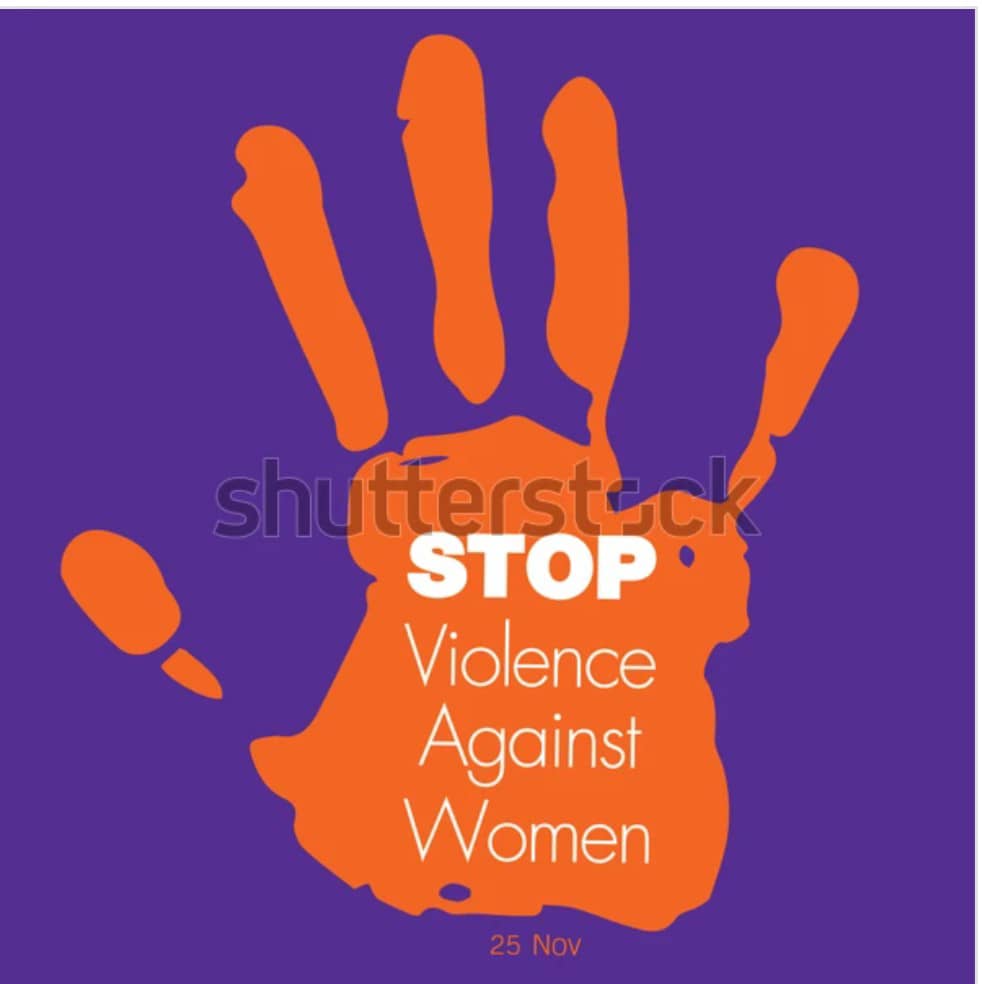
This year’s International Day for the Elimination of Violence against Women with the theme; ‘Orange the World: End Violence against Women Now!’ will mark the launch of the ‘Unite to End Violence against Women campaign’ (November 25- December 10) – an initiative of 16 days of activism concluding on the day that commemorates the International Human Rights Day (10th December).
While calling for global action to increase awareness, promote advocacy and create opportunities for discussion on challenges and solutions, this campaign, led by the UN Secretary-General and UN Women since 2008, aims to prevent and eliminate violence against women and girls around the world.
Generally, violence against women manifests itself in physical, sexual and psychological forms, including acts not frequently talk about such as; Female Genital Mutilation and child marriage, and others more common, such as;
Intimate partner violence, which comprises; battering, psychological abuse, marital rape and femicide among others.
Sexual violence and harassment which comprises; rape, forced sexual acts, unwanted sexual advances, child sexual abuse, forced marriage, street harassment, stalking and cyber – harassment among others like Human trafficking which comprises; slavery and sexual exploitation.
These practices are not only violations of the human rights of the individuals affected but are also an instrumentalist approach to sustain the status quo and the hierarchy of gender identities. Women living in poverty are particularly vulnerable, as they face high levels of structural violence, including difficulty accessing health and legal services needed to address the effects of interpersonal gender-based violence.
The adverse psychological, sexual and reproductive health consequences of violence against women and girls affect women at all stages of their life, as some women tend to fall into depression, consider suicidal thoughts and develop short and long term illnesses as well as low self-esteem.
While gender-based violence can happen to anyone, anywhere, young girls and older women, women who identify as lesbians, bisexual, transgender or intersex, migrants and refugees, indigenous women and ethnic minorities among others are particularly vulnerable.
There is therefore more to be done in aiding rapid information circulation about sexual and gender-based violence, as this has become imperative due to factors such as lack of awareness of the human rights, which has reduced the insights and urgency needed to combat the persuasive nature of violence against women.
In order to achieve that, there has to be advocacy and efforts to uphold women’s rights through adequate enlightenment and education of women (and men) on the various issues around rights. It is also important to disabuse on cultures and norms supportive of violence against women.
Particularly, there is a need to enlighten women (and men) on the ills of violence against women, and the importance of obtaining medical and psycho-social help after suffering violence, more institutions where victims can obtain psycho-social support after abuse should also be provided. Together with this is the need to enforce penalties on perpetrators of violence to serve as a deterrent to others.
While pervasive, gender-based violence is not inevitable. It can and must be prevented. However, stopping this violence starts with listening to and believing the stories of survivors, understanding consent, implementing laws that promote gender equality, transform harmful social norms, and educating as well as empowering women and girls.
Also, ending gender based discrimination and violence is a global priority that requires collective action, therefore men can help prevent gender based violence and advance gender equality by raising boys to break free from harmful stereotypes, seeking opportunities to really listen to women’s stories, acknowledge their experiences and then inform other men as well as participate in campaigns aiming to prevent violence against women.