By Liana-Lois O. Apeh and Dominic Nwobodo
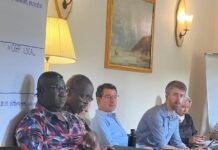
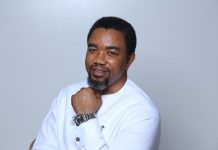
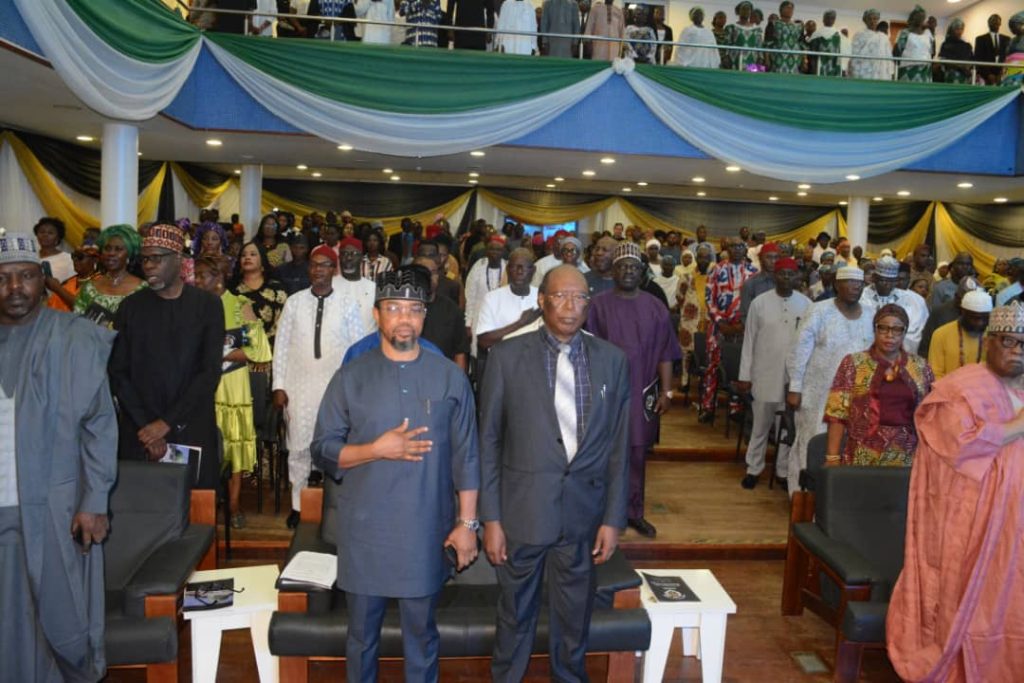
The inaugural Memorial Lecture and the 14th-year remembrance of the esteemed Nigerian senator, Senator E.A. Lamai, OON, from the first Republic, took place on the 26th of May, 2023 at the Shehu Musa Yar’adua Center in Abuja. The event, organized under the theme “Analyzing the Role of the Senate in Nation Building from the 1st Republic to the Present 4th Republic,” was hosted by Chief Richard Oshokhai Lamai, the son of Senator E.A. Lamai and the Executive Director of the Senator E.A. Lamai Foundation (SEALF).
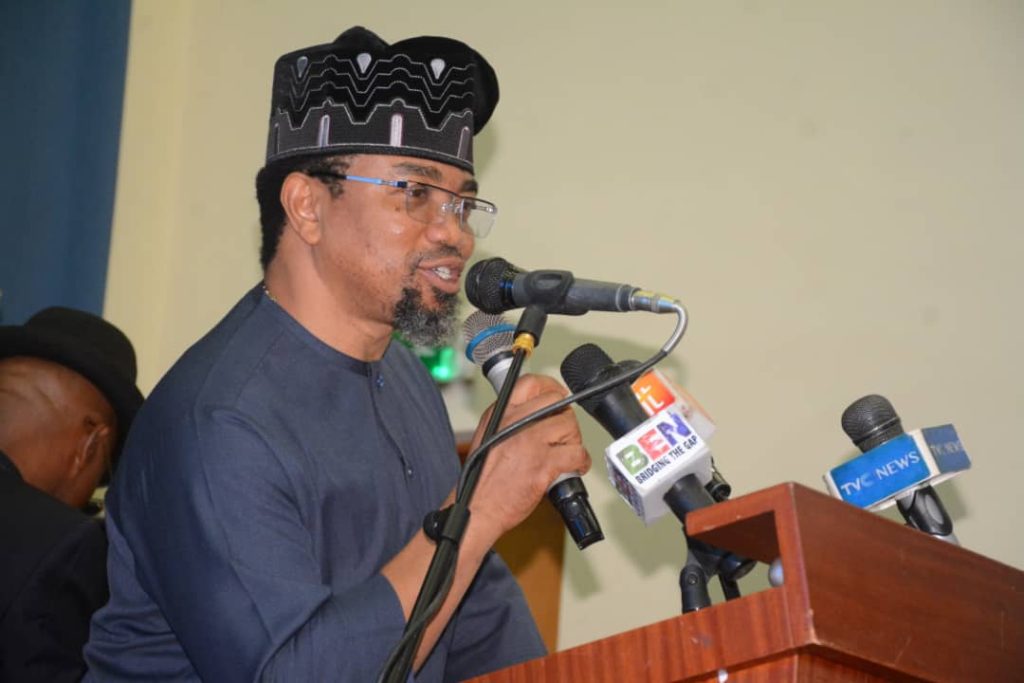
Chief Richard Lamai, ED., SEALF
Prominent figures in attendance included Senator Kassim Oyofo, who chaired the occasion; Professor Mike Ozekhome, SAN, CON, OFR, as the Keynote Speaker; Professor Abubakar Jika Jiderere, the Guest Speaker; and His Excellency, Professor Osaremhien Osunbor, former Governor of Edo State; His Excellency Senator Rochas Okorocha; Senator Sanusi Daggash; and Tien T.S. Jack-Rich, CON, who served as discussants.

While Senator Francis Alimikhena, representing the Edo North Senatorial District, assumed a major opposing role during crucial deliberations, the floor was also open for discussants and panelists to examine the leadership of the Senate from the 1st Republic to the 4th Republic.
In his opening remarks, Chief Richard Lamai warmly welcomed all attendees, recognizing the significance of the event against the backdrop of the current state of the nation and the incoming government of President-Elect, Senator Bola Ahmed Tinubu.
“I am deeply honored to welcome you to this inaugural lecture, held in memory of our father, Senator Ekpemoriri Akhagbemhe Lamai, OON. It is a tremendous privilege to be the progeny of such a political stalwart, whose compassionate endeavors and developmental contributions we, his children, still strive to emulate,” he expressed with gratitude.

Chief Victor Kassim Oyogo, a former Senator and the Chairman of the occasion, lauded the late Senator from Etsako for his unwavering dedication to the struggle for freedom, which resulted in the establishment of Nigeria’s fourth region and the Midwest Region (comprising Edo State and Delta State). Regarding the qualities that a Senator must embody, Chief Oyofo proposed that patriotism, courage, selflessness, and integrity are essential, while also lamenting the present state of the Senate, which has proven to be not only costly but regrettably ineffective. He further advocated for the formalization of the six geo-political zones as federating units, allowing Nigerians to participate in decision-making processes that contribute to the development of their respective administrative regions.
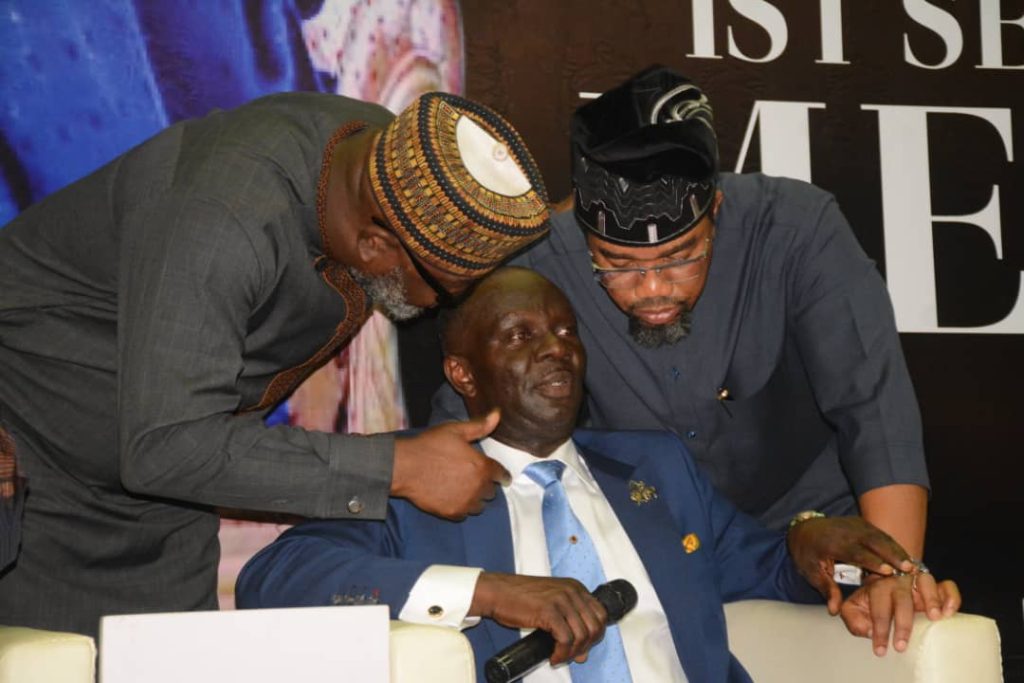
Speaking on the significance of the event’s theme, Professor Jika Jidderi from Bayero University Kano emphasized the distinctions between the governmental practices of the parliamentary system during the first republic and those of the subsequent second to fourth republics, where policies, debates, agitations, negotiations, and political activities take place.

“In the pursuit of Nation Building, it is imperative for individuals from diverse backgrounds, with different histories, languages, cultures, and religions, to collaborate and enhance the overall quality of life for the people,” he remarked.
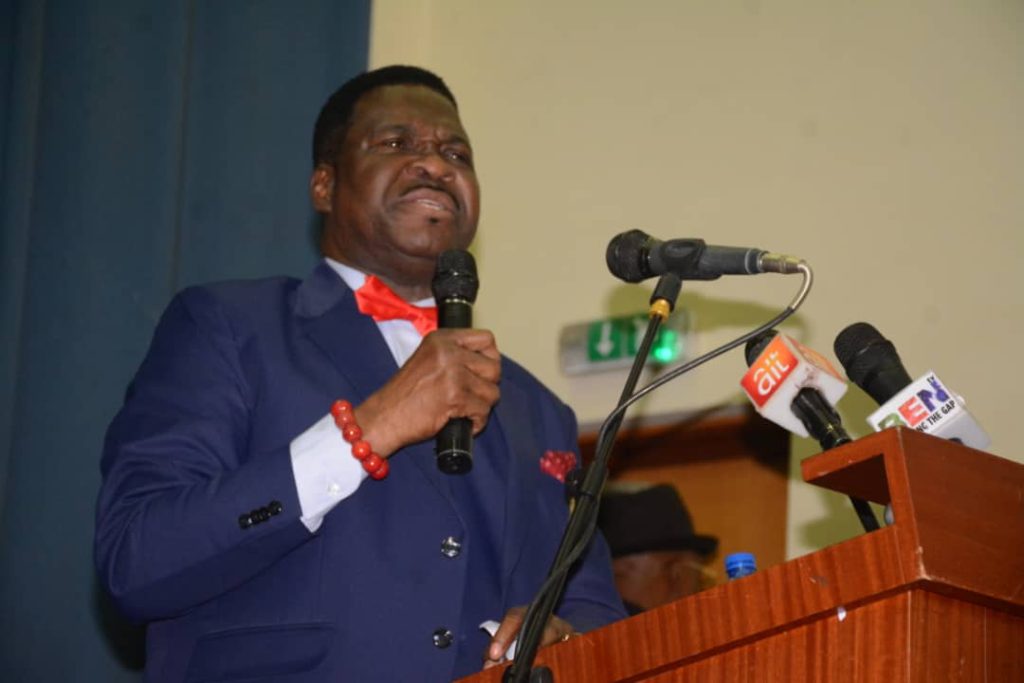
On the other hand, Chief Mike Ozekhome expounded on the stark contrast between the Senate and a military regime. He drew attention to the misguided accusations labeling the 1966 coup as an ‘Igbo coup.’ Through his self-authored ‘OZEKHOPEDIA,’ the seasoned lawyer shed light on the detrimental influences of ‘Electionocrazy’ and ‘Legistocrazy’ that have deeply permeated democratic practices in the country. He likened the present Senate to an ‘Agama lizard’ or a ‘Take a bow Senate,’ where the executive branch holds absolute power. He advocated for the dissolution of the Senate and proposed instead an honorary assembly to deliberate on temporary national issues.

During the panel discussions, Senator Francis Alimikhena referred to the Senate as the cornerstone of democracy and voiced his disagreement with the notion of scrapping it. He emphasized that for the executive branch to function effectively, it requires the passage of laws by the legislators.
Senator Mohammed Daggash, in his address, provided an extensive explanation of the Senate’s roles. He reiterated that the Senate’s responsibilities do not extend to issues related to agitation, population, and diversity, as those matters fall within the purview of the Lower House.
Expressing his support for a comprehensive overhaul of the Senate, Senator Owelle Rochas Okorocha described it as the central pivot upon which all branches of government must rotate. He suggested transforming the Senate into a body representing each state, rather than individual senatorial districts.
The senator-elect for Edo North and former labor leader, Comrade Adams Oshiomole, expressed dissatisfaction with the Senate’s ineffectiveness thus far. He attributed their shortcomings to a deviation from the core tenets of the presidential system of governance.
“The Senate must operate within the confines of the adopted system of government. We must adhere to the principles of the presidential system,” he asserted.
The event, which encompassed the life, ideas, and enduring legacy of Senator E.A. Lamai, attracted distinguished serving and former senators representing various states, professionals from diverse industries, esteemed governmental figures, members of civil societies, the business community, volunteers of the Senator E.A. Lamai Foundation, and representatives from the media, among others.
As the country prepares to welcome the Senators-Elect to the 10th National Assembly in the coming days, the present leadership of the National Assembly has faced allegations of authoritarianism and subservience to the Executive.
The event concluded with heartfelt goodwill messages from relatives and friends of the family, while Peter Lamai, speaking on behalf of the family and the Senator E.A. Lamai Foundation, delivered a vote of thanks.