Lois Otse Adams
The Nigerian government has vowed to invest more energies in the people and communities, coalitions and leaders that make bold change happen at the local, national and international level, and less on the process and mechanism of open government.
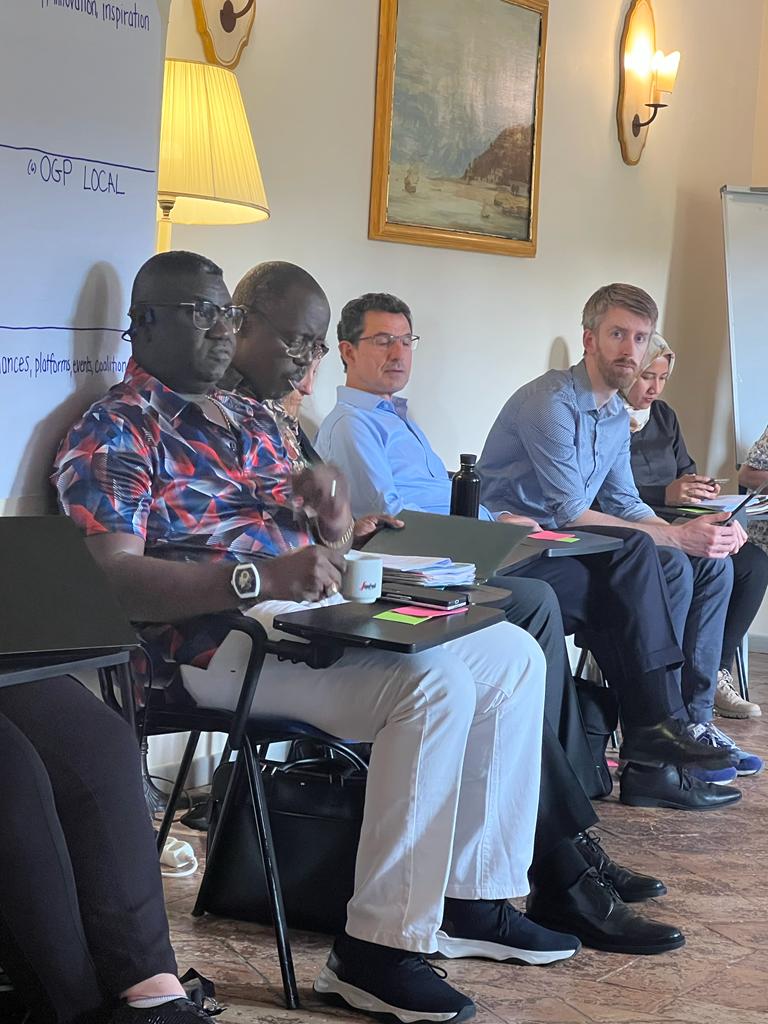
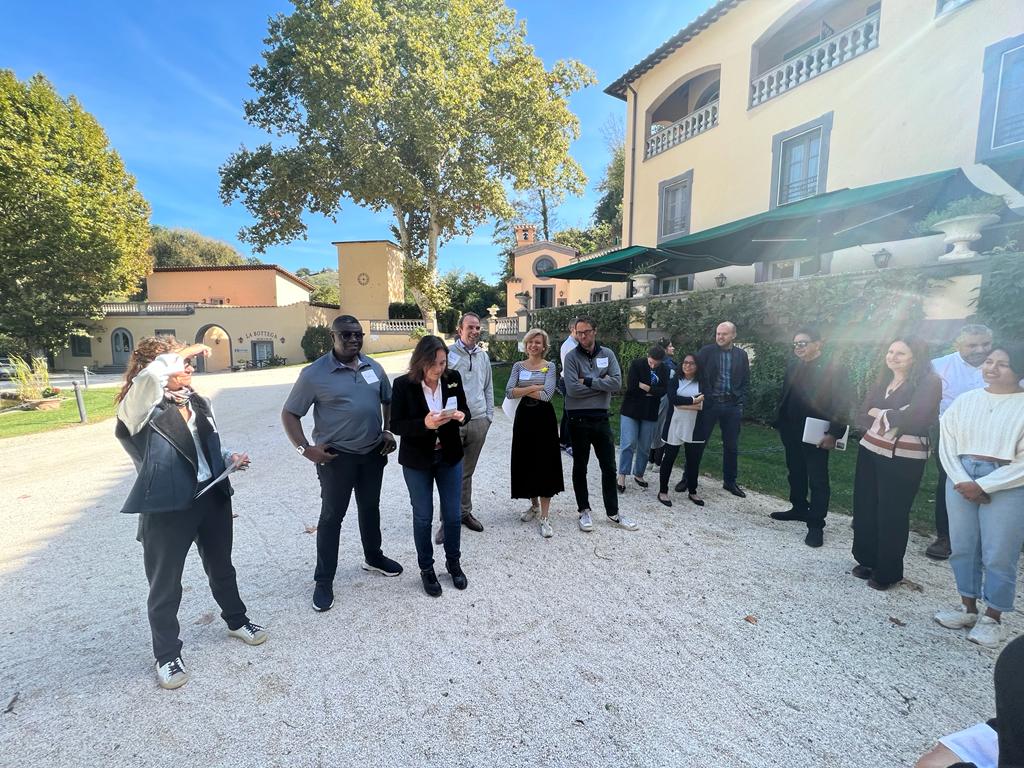
The Co-Chair, Non-State Actors of the Open Government Partnership (OGP) and Minister of State, Budget and National Planning, Prince Clem Ikanade Agba disclosed this at the Open Government Partnership Steering Committee Retreat in Rome, Italy, between 13th and 14th October, 2022.
He said this strategy means that the civil society will help spread open government norms far beyond the OGP action plans by equipping citizens with the skills they needed to go beyond the narrow OGP bubble and secure much wider support and engagement in government.
The core aim of the Global retreat is to explore how the one decade OGP can strengthen civic space and build high-level political support globally, including Nigeria.
Agba, who led the Nigerian delegation to the retreat, highlighted how the Nigerian government is leveraging open government principles in the fight against corruption and other areas of citizens inclusiveness in governance.
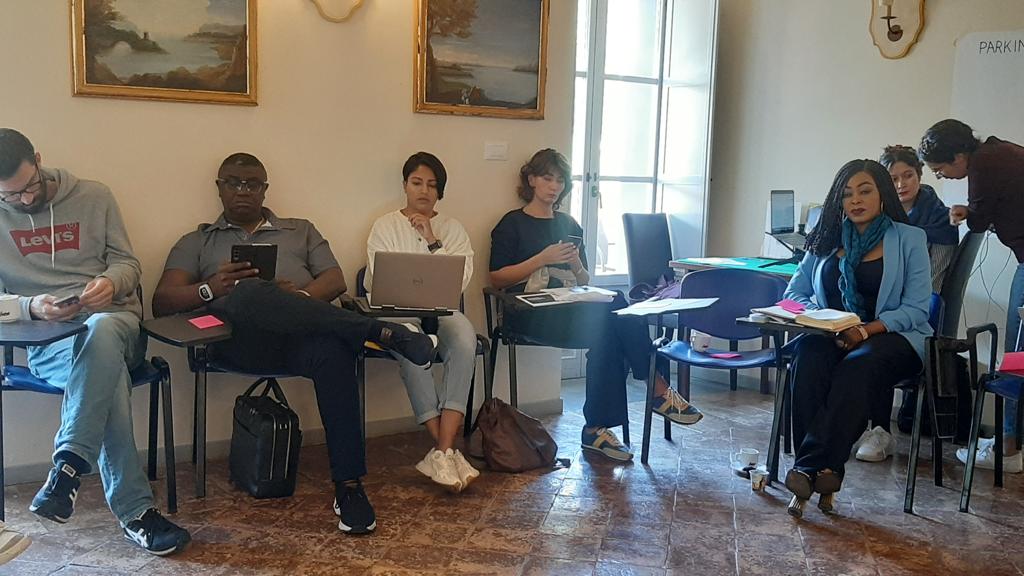
The retreat that had in attendance the OGP Nigeria National Coordinator, Dr. Gloria Ahmed and other global leaders is geared towards emerging strategic directions for the Open Government Partnership for its 2023-2028 strategy, based on the lessons learned from ten years of evidence from OGP, and the community consultations carried out between May – August 2022.
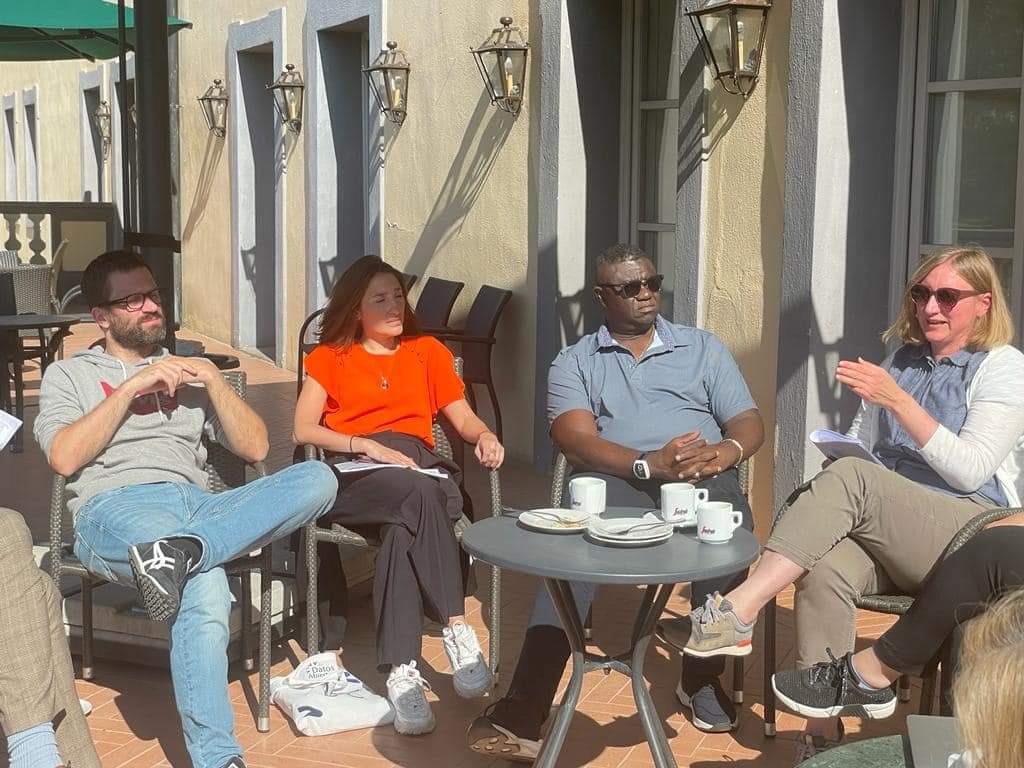
Furthermore, the retreat will serve as the starting point for framing the community consultations in the next phase of five years, having validated the strategic directions and provided input on the options, looking at ways to operationalize them to further refine and put to public consultation.
This strategic retreat was the most exhaustive refresh for the OGP since 2014 and a highly ambitious exercise which seek to incorporate a broad consultation with the open government community, findings from external consultations, evidence and lessons from the Independent Reporting Mechanism, analysis from OGP staff, and views from the OGP Steering Committee all amidst significant changes in global context.
Once agreed, the strategic directions will in turn inform decisions about what activities to be prioritized in order for the partnership to achieve the highest possible impact over the next five years, within the resources available
To achieve the above, it will take three major shifts in the aforementioned period, being underpinned and the first shift is a more political partnership.
Another major shift is focused on the geopolitical headwinds by building a broader base of political open government champions at all levels and branches of government that can represent the alternative to the trend of democratic decline and closed government in many parts of the world.
The last major shift is to partner more strongly with other global and regional initiatives and organizations to build the coalition together by leveraging the many regional and global summits that focus on democracy.