By Lois Otse, Adams PhD, mnipr & Liana Lois Apeh
ABUJA, NIGERIA – The World Public Relations Forum (WPRF), hosted by Nigeria under the leadership of Dr. Ike Neliaku, fnipr, President and Chairman of Council of the Nigerian Institute of Public Relations (NIPR), continued on Monday, 16 November 2026, with a series of high-level engagements focused on knowledge advancement, parliamentary relations and the future of responsible communication.
The day’s programme featured keynote addresses, institutional presentations and panel discussions involving distinguished academics, policymakers and public relations professionals from across the globe.
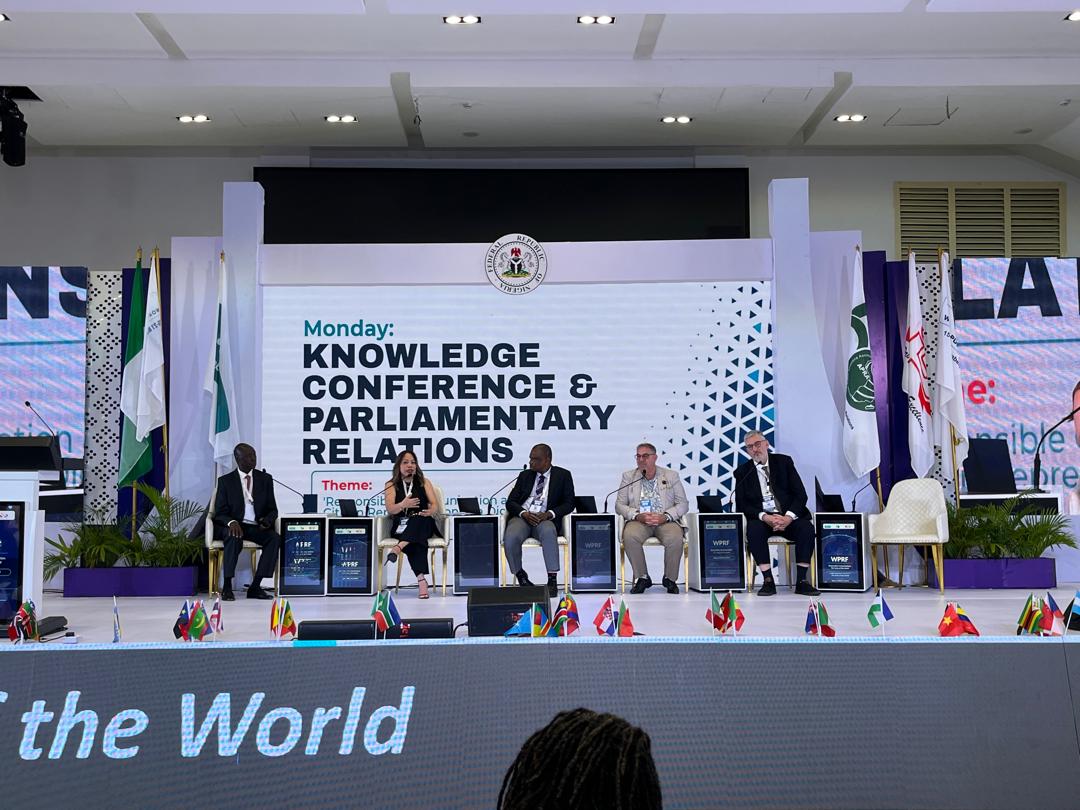
The institutional welcome and opening remarks featured Prof. Saudat Salah Abdulbaqi, fnipr, Dean, Faculty of Communication and Information Science, University of Ilorin; Prof. Michele Mekeme, Vice President, African Public Relations Association (APRA); Prof. Jude William Genilo, Pro-Vice Chancellor, University of Liberal Arts, Bangladesh; and Rt. Hon. Henry Nwawuba, Executive Secretary, National Assembly Library Trust Fund.
Their presentations highlighted responsible communication, legislative transparency, institutional accountability and effective management of public records.
The second keynote address was delivered by Alastair McCapra, Chief Executive Officer of the Chartered Institute of Public Relations (CIPR), United Kingdom. He emphasised truth, professional integrity, credible reporting and adherence to global standards in addressing misinformation and strengthening public trust.
A major panel session, moderated by Peter Mutie of Kenya, examined Misinformation and Social Cohesion: Rebuilding Trust through Responsible Public Relations. The discussion explored the responsibility of public relations professionals in promoting information integrity, shaping credible narratives and rebuilding public confidence. Panelists stressed that effective communication must be accessible, inclusive and grounded in ethical standards.
Contributions also highlighted the importance of emotional intelligence, contextual understanding and the inclusion of persons living with disabilities in public communication and institutional engagement.
The panel featured Ms. Ana Pista, President, Public Relations Society of the Philippines; Dr. Mohamed Hussien Abdelaziz, Egypt, Enterprise AI Governance Architect; and David Obinna Anyaele, Nigeria, Abia State Disability Commission and Co-Founder, Centre for Strategic Communication Excellence.
In another presentation, Professor Emmanuel Dandaura of Ghana challenged practitioners to rethink the definition and purpose of public relations in an era of technological transformation. He advocated a shift from communication support and image management towards strategic leadership, reputation building and relationship development.
He further emphasised that organisational trust must be demonstrated through genuine conduct, transparency and cultural legitimacy rather than mere public messaging.
Other sessions examined women’s leadership, executive influence, cultural identity, stakeholder engagement and institutional accountability. Discussions highlighted the importance of effective listening, community participation, cultural sensitivity and inclusive communication in strengthening institutional and public relationships.
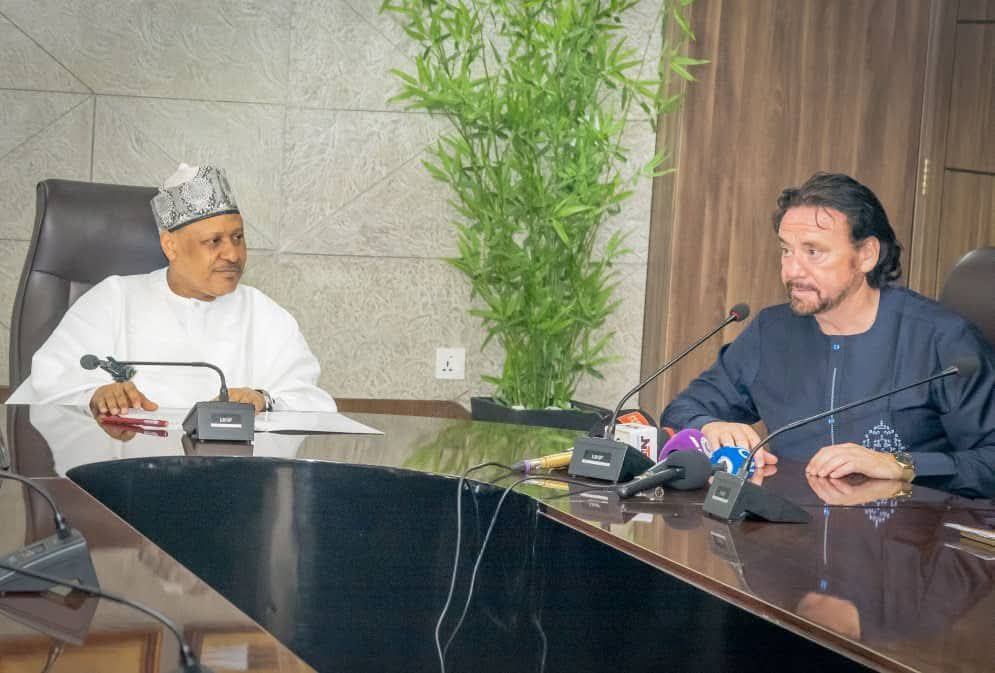
An engaging presentation on classroom communication also explored the relationship between lecturers and students, highlighting the importance of effective interpersonal communication in educational settings.
Addressing the gathering, Senator Osita Izunaso, OFR, PhD, fmipr, Chairman, Senate Committee on Capital Market and Institutions, emphasised truth, accountability and professionalism in communication. He cautioned against bullying and destructive narratives while commending the NIPR for successfully hosting the international forum.
Another major highlight was the keynote conversation on Public Relations, Ethics and Responsible AI in an Age of Technology. The session featured Dr. Rochelle Ford, CEO, Page Society, United States; Prof. Jude William Genilo; Dr. Celestine Achi, mnipr, CEO, Cohan Media Group and author of AI-Powered PR; and Prof. Makhano Sarah Pobape of China. It was moderated by Ms. Bonnie Caver, CEO, Reputation Lighthouse, United States, and Global Alliance Director for Responsible AI.
The conversation examined artificial intelligence, misinformation, content verification, ethical responsibility and the implications of automated communication. Speakers advocated the responsible use of AI as a supportive tool while emphasising the continued importance of human judgement, integrity and accountability in professional practice.
The Special Guest of Honour, His Excellency, Rt. Hon. Abass Tajudeen, GCON, PhD, Speaker of the 10th House of Representatives, was represented by the Majority Leader, Prof. Julius Ihonvbere, who delivered the keynote address on Responsible Communication and Parliamentary Democracy in the Digital Age. The address examined the influence of digital platforms on democratic governance, highlighting misinformation, manipulated images, electoral administration, constitutional reforms and institutional legitimacy.
It further emphasised the need for credible public information, verification, freedom of information and stronger legislative engagement in addressing contemporary communication challenges.
The international sessions featured experts including Adrian Cropley of Australia, Leslie Richter of Ethiopia, Silvia Arto of France, Prof. Amiso George of the United States, Prof. Serra Gorpe of Turkey, Dr. Sindu Zemura of Canada, Dr. James Dada Mohammed of Nigeria and Doug Downs of Canada.
Discussions covered Responsible Communication for Sustainable Development: From ESG Claims to Stakeholder Trust, alongside sessions on podcasting and digital storytelling, cultural identity and trust, and leveraging public relations for social, economic and sustainable development. The programme also featured the presentation of the Green (Rome) Declaration.
Other resource persons included Jaffri Amin Osman of Malaysia, Prof. Jose Manuel Velasco of Spain, Dr. Amybel Sanchez de Walther of Peru, Danijel Koletic of Croatia, Dr. Nduneche Ezurike of the United States, Elizabeth Amagola of Namibia, Clio Kenterelidou of Greece, Adekinle Ayeni of the United Kingdom, Joan Tirwyn Hassan of Nigeria, Alan Austria Anaya of Mexico and Bradly Howland of South Africa.
The formal proceedings concluded with closing remarks by Prof. Rotimi Williams Olatunji, mnipr, followed by the official opening of the WPRF Experience Nigeria Zone, coordinated by Alhaji Mohammed Idris, GCON, Honourable Minister of Information and National Orientation.
The opening dinner was facilitated by His Excellency, Senator Godswill Akpabio, GCON, President of the Senate, Federal Republic of Nigeria, alongside Malam Makhtar Zubair Sirajo, fnipr, immediate past President and Chairman of Council, NIPR.
With delegates from over 126 countries in attendance, the day’s programme concluded with a happy-hour social engagement and entertainment commencing at 7:00 p.m.
Monday’s proceedings reinforced the growing importance of ethical leadership, institutional accountability, technological responsibility and inclusive engagement in shaping the future of public relations globally.